
Do Barroco até o início do século XX, músicos como Bach, Mozart, Brahms, Busoni, entre muitos outros, foram virtuoses de seus instrumentos e, ao mesmo tempo, músicos criadores. Muitos deles provinham de famílias de músicos ou estavam enraizados em um meio musical: a música fazia parte de seu cotidiano. Podemos observar um acesso semelhante à música também em Sebastian Benda, que nasceu em 1926 num berço de longa tradição musical, em que a música era onipresente.
Sebastian Benda
Biografia
8 de abril de 1926 – 20 de fevereiro de 2003
Imagem
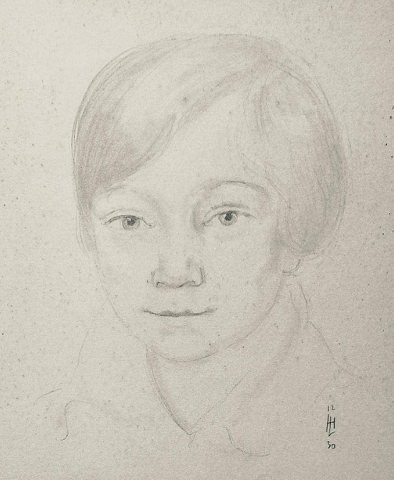
Sebastian Benda menino, desenho de Lissmann, 1930
Seu pai, Jean Benda, suíço, conhecido pedagogo do violino, ensinava na Alemanha no «Hoch’sche Konservatorium de Frankfurt am Main». Em 1933, voltou à Suíça com seus dois filhos, Lola e Sebastian, e com sua esposa, Dora Hamann Benda, violista e poetisa, que atuou como primeira viola da Rádio-Orquestra Beromünster, dirigida por Hermann Scherchen. Notando o talento precoce do filho, os pais acompanharam seus primeiros passos no aprendizado musical, encaminhando-o a professores de piano e de conhecimentos musicais, como harmonia e contraponto.
Imagem
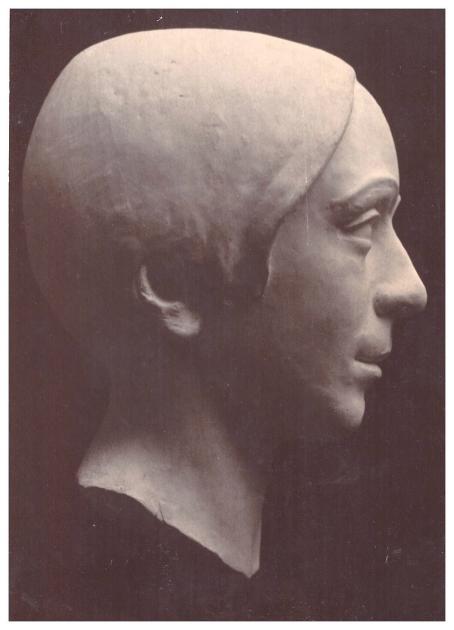
O jovem Sebastian Benda, pelo escultor Simecek
Imagem
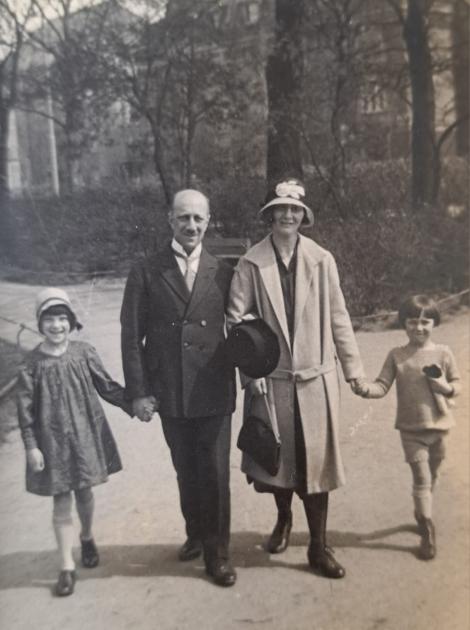
Em Frankfurt, com seus pais e irmã
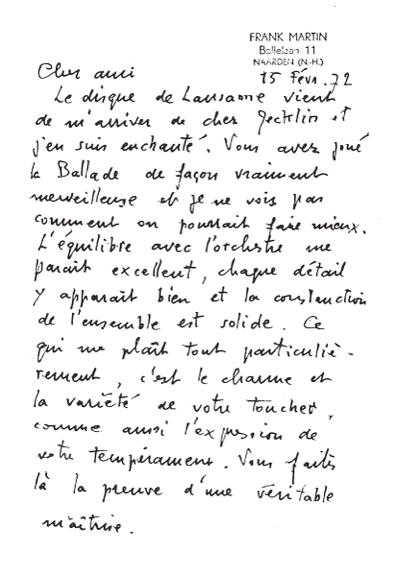
Já aos 9 anos, as suas composições chamaram a atenção de músicos notáveis da época, como Arthur Honegger, Frank Martin, Alfredo Casella, Joaquín Nin, entre outros, que lhe predisseram um brilhante futuro musical. Frank Martin dispôs-se a seguir o seu desenvolvimento no campo da composição, tornando-se seu professor. Considerando as dificuldades profissionais dos compositores na época, Martin escreveu aos seus pais: «É importante que Sebastian estude a fundo um instrumento porque, a não ser escrevendo tangos ou marchas militares, o métier de compositor não permite a subsistência de ninguém.»
Imagem

Imagem

“Escutei com grande interesse as composições de Jean Sébastien Benda, que apresenta um temperamento extraordinariamente precoce e um inegável dom criativo.”
Arthur Honegger, 21 de dezembro de 1937
Anos mais tarde, Sebastian Benda se recordava deste fato num artigo sobre Frank Martin, escrevendo:
« Depois do recebimento desta carta, dobrei o tempo do meu estudo de piano, continuando porém a compor com paixão. Mesmo que eu fosse precoce, segundo o parecer de músicos muito respeitados, e apesar de estudar a harmonia e o contraponto, a composição musical representava para mim uma liberação íntima, um estado d’alma, no qual a música era o canal de expressão mais imediato. »
No mesmo artigo, acrescentou:
« Minhas lembranças pessoais de Frank Martin datam da minha infância, quando, com a idade de 11 anos, me tornei seu aluno de composição. Foi em Genebra que ele analisou com grande sabedoria minhas composições, dando-me conselhos preciosos. Desde então, Martin esteve presente nos diversos períodos da minha vida como compositor, pedagogo, artista, ser humano e amigo. »
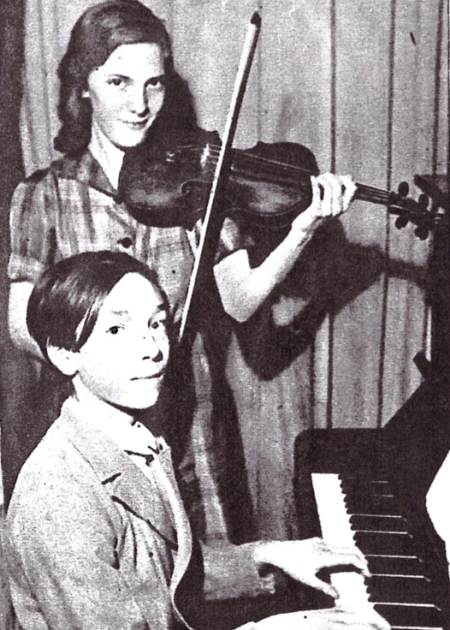
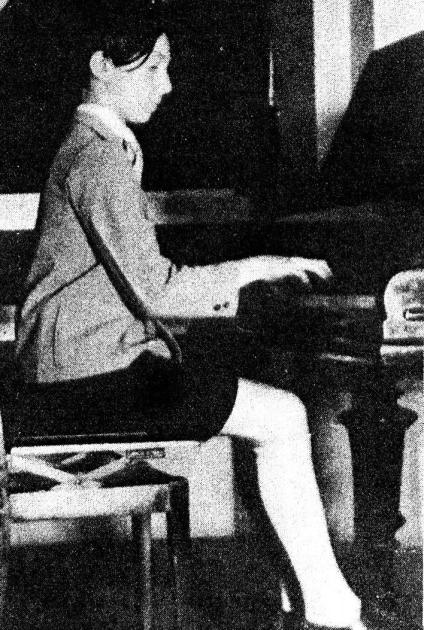
Aos 11 anos, Sebastian dava concertos em duo com sua irmã Lola, violinista, e desenvolveu rapidamente um grande repertório pianístico, que lhe permitiu, dois anos mais tarde, apresentar-se em recitais para piano solo na Suíça e ingressar no Conservatório de Música de Genebra como estudante de piano.
Imagem
Imagem
Imagem

Imagem
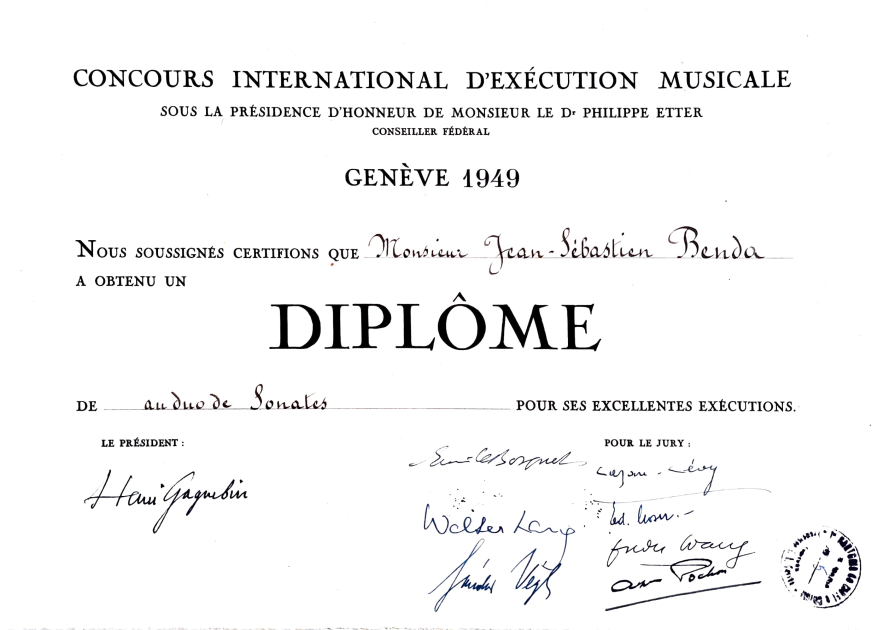
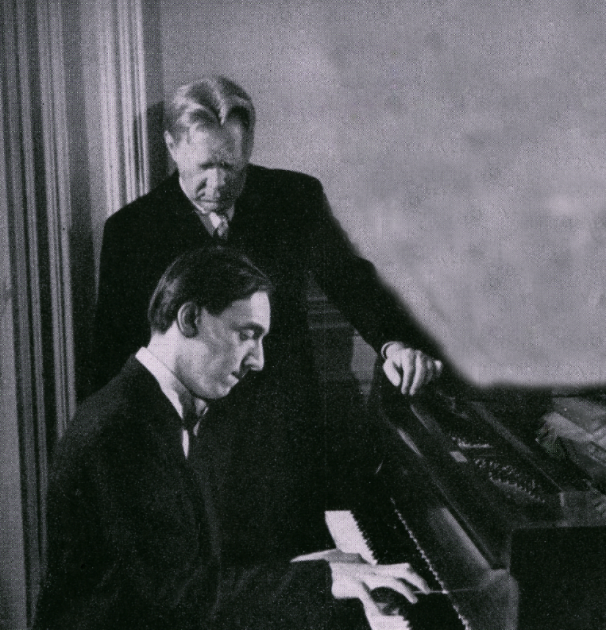
Depois de finalizar os seus estudos nesta instituição com o diploma de solista, « Prix de virtuosité », Edwin Fischer, reconhecendo o potencial do jovem Sebastian, o convidou a ser seu discípulo regular e a participar do Festival de Lucerna, transmitindo-lhe seu profundo conhecimento musical baseado especialmente na tradição de Bach, Mozart, Beethoven, Schubert, Schumann e Brahms.
Sebastian Benda foi um dos poucos discípulos de Fischer a seguir seus ensinamentos longamente — 7 anos —, tempo que lhe permitiu captar a essência de uma arte transcendente e de uma tradição musical proveniente de uma linha genealógica pianística direta de Ludwig van Beethoven, passando por Carl Czerny, Franz Liszt, Martin Krause e Edwin Fischer.
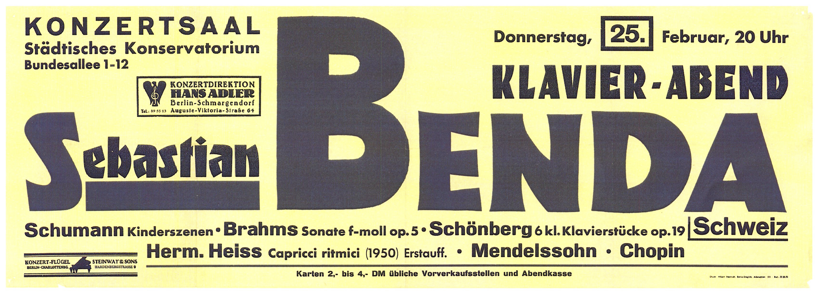
Com Edwin Fischer, o jovem Sebastian apresentou-se tocando ao seu lado como solista em diversos ciclos de concertos. Este foi o início de uma carreira pianística que o levou a 40 países da Europa, Ásia e Américas.
Após a morte do seu mestre, Sebastian Benda escreveu:
« Tive o privilégio de conhecer Edwin Fischer de perto. Não somente estudei sob sua direção, mas tive a honra de colaborar sob sua regência nos ciclos de concertos para piano e orquestra de Mozart e Bach. Fischer é uma das últimas personalidades que refletem, na nossa época de objetividade, a arte mística das sensações sonoras.
Ele foi muito mais do que um grande pianista, foi um grande músico, com o raro dom de transmitir a alegria e o mistério de uma obra musical. Foi um ser que tinha uma grande irradiação e que procurava os reais valores de uma arte sempre renovada, o recriador por excelência. Como músico, ele era um grande instintivo, apesar dos seus profundos conhecimentos musicais. É o que nos ensinava quando dizia: não se deve querer em música, ela deve vir dela mesma; estabelecei este contato invisível a fim de que o fluido do pensamento do compositor vos atinja: escutai, escutai, escutai.»
Imagem
Com seu mestre, Edwin Fischer
Imagem

Imagem

O pós-guerra na Europa foi marcado por grandes perturbações. De um lado, a reconstrução das cidades destruídas e, do outro, a busca de novos valores, repercutiram na criação musical, marcando uma quebra com as tradições. Esta erupção renovadora, logo nos primeiros anos do pós-guerra, influenciou o jovem Benda, que, muito ligado à criação musical, tornou-se também um intérprete de música contemporânea. Apresentando-se como pianista e camerista no novo Festival de Darmstadt em 1949, constatando as diversas direções que a música contemporânea tomava, decidiu dedicar-se profissionalmente, desde então, exclusivamente à interpretação musical, ficando a composição como uma atividade em nível pessoal.
Imagem

Imagem

Imagem

Imagem
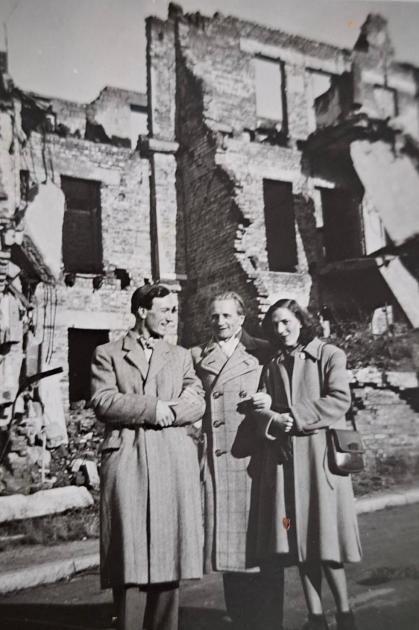
Darmstadt depois da Segunda Guerra Mundial, com sua irmã Lola e o compositor Hermann Heiss
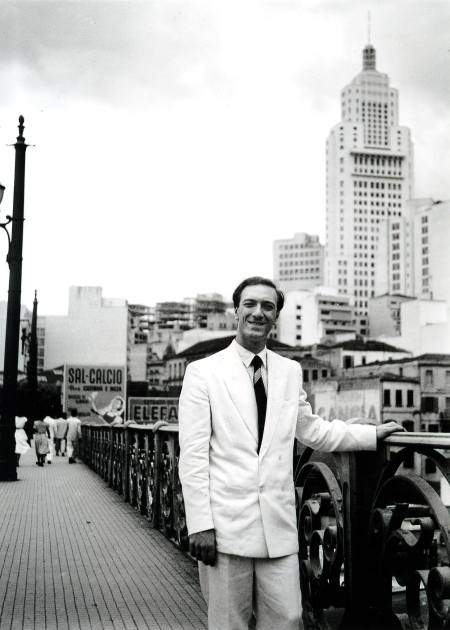
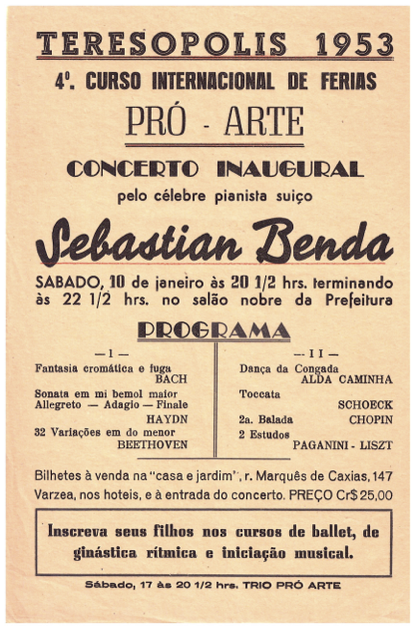
Em 1952, realizou uma tournée na América do Sul. Chegando ao Brasil, descobriu um mundo novo, fascinante, que causou tal impacto sobre o jovem pianista que ele decidiu estabelecer-se lá.
Imagem
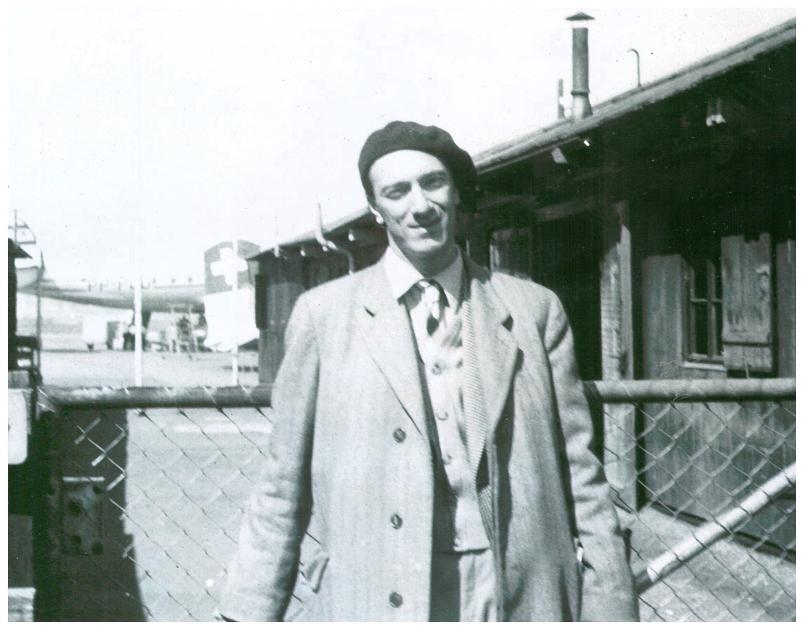
Partida da Europa (aeroporto de Zurique)
Imagem

Teatro Municipal do Rio de Janeiro, 1955
Anos mais tarde, escreveu a respeito:
« A paisagem, o clima, as pessoas e a vida em geral no Brasil eram muito diferentes do que eu estava habituado. Tive de ampliar o horizonte dos meus próprios princípios e, através de uma nova visão e tolerância, assimilar as diferenças. »
Imagem
Imagem

Imagem

Vivenciando o dinamismo e a vida no Novo Mundo
As obras de Heitor Villa-Lobos e de outros compositores integraram-se ao seu repertório, levando-as consigo em suas turnês por diversos países do mundo.
Imagem

Imagem

Imagem

Imagem
Imagem

Imagem

Imagem

Com Luzia do Eirado Dias, musicista e pedagoga, constituiu família, tendo cinco filhos — Angela, Christian, François, Nancy e Denise —, que todos se tornaram músicos profissionais, com os quais, no último período da sua vida, compartilhou atividades musicais.
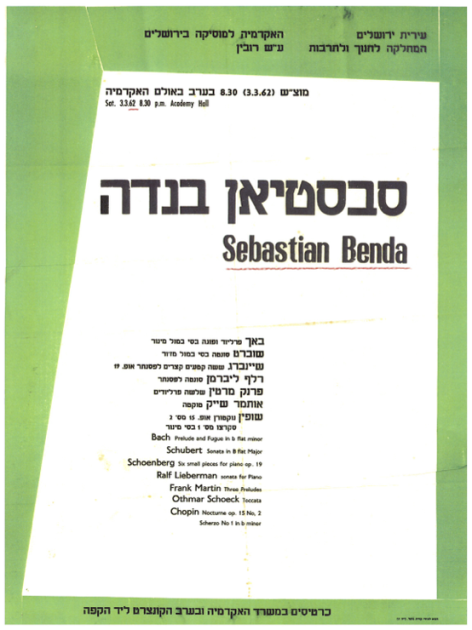
Sebastian Benda permaneceu no Brasil por quase três décadas (1952-1981) e de lá partia para turnês de concertos em muitos países, principalmente na Europa, onde foi aclamado pelo público e pela crítica especializada.
Imagem

Viena, 1960
Imagem

Town Hall, New York, 1966
Imagem

Imagem
Imagem
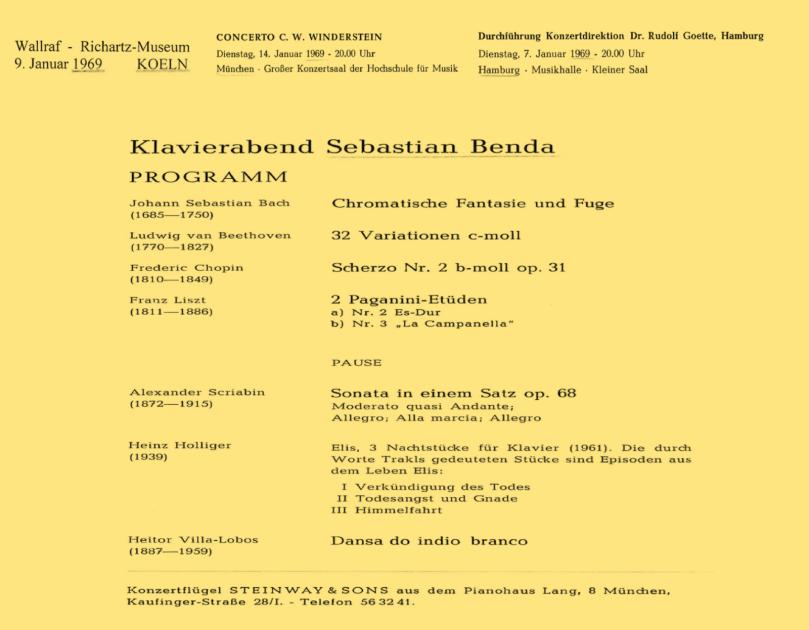
Tournée de 1969, concertos na Alemanha
Imagem

Imagem
Imagem

Imagem

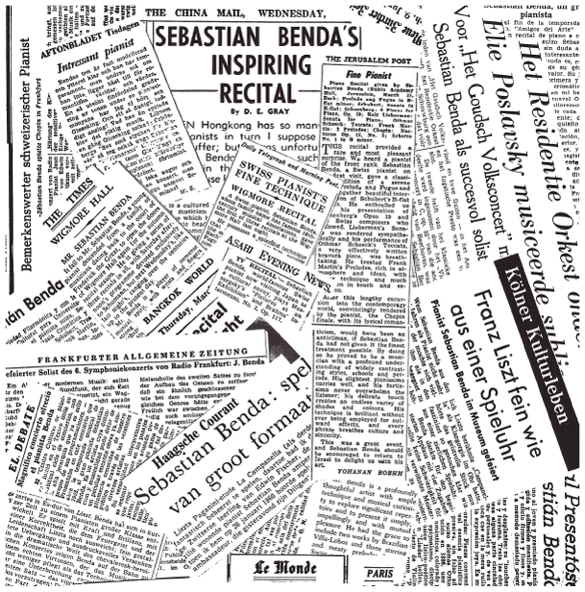
Apresentou-se como solista de orquestras tais como Tonhalle Zürich, Orchestre de la Suisse Romande, NDR Hamburg, Hessischen Rundfunk Sinfonieorchester, Kol Israel (Jerusalém), Residentie-Orkest Den Haag, Philharmonie George Enescu (Bucareste), Osaka Philharmonic, Filarmônica de Sófia.
Importantes regentes como Hermann Scherchen, Hans von Hoesslin, Hans Schmidt-Isserstedt, Erich Schmidt, Ernest Bour, Takashi Asahina; assim como os regentes brasileiros Souza Lima, Eleazar de Carvalho, Isaac Karabtchewsky, Camargo Guarnieri apreciaram-no como intérprete e parceiro musical.
Imagem

Imagem

Imagem

Imagem

Imagem

Imagem

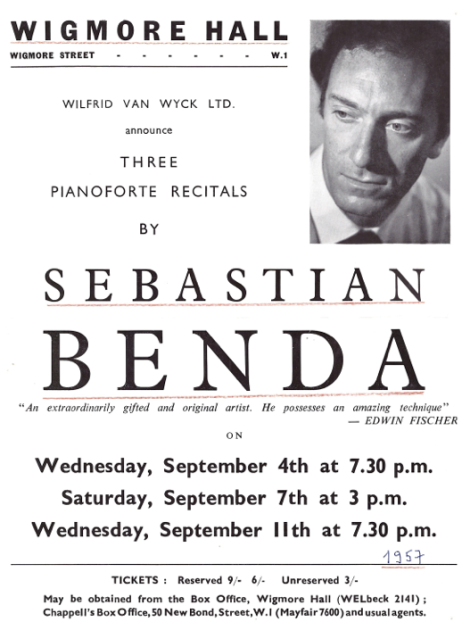
Após três recitais diferentes na mesma semana, no Wigmore Hall de Londres, em 1957, foi distinguido com a “Bach Medal”, conferida pelo Harriet Cohen International Music Award Council.
Imagem
Imagem

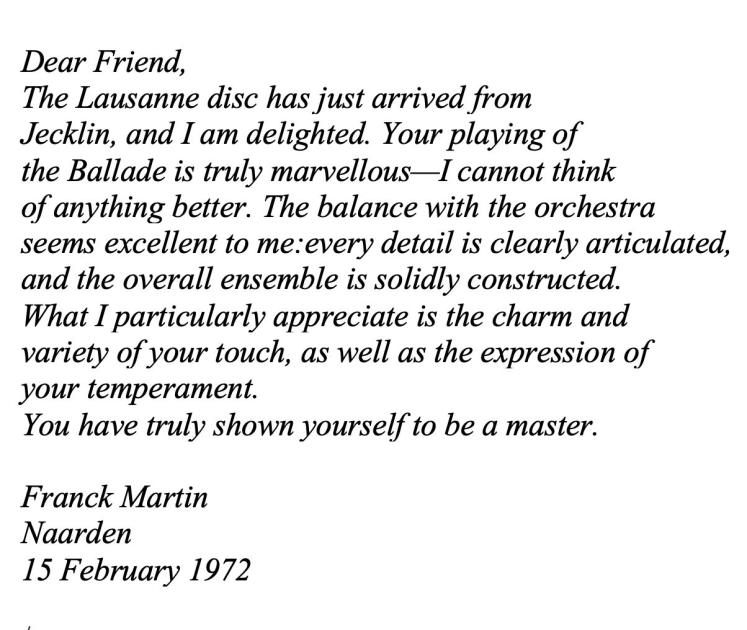
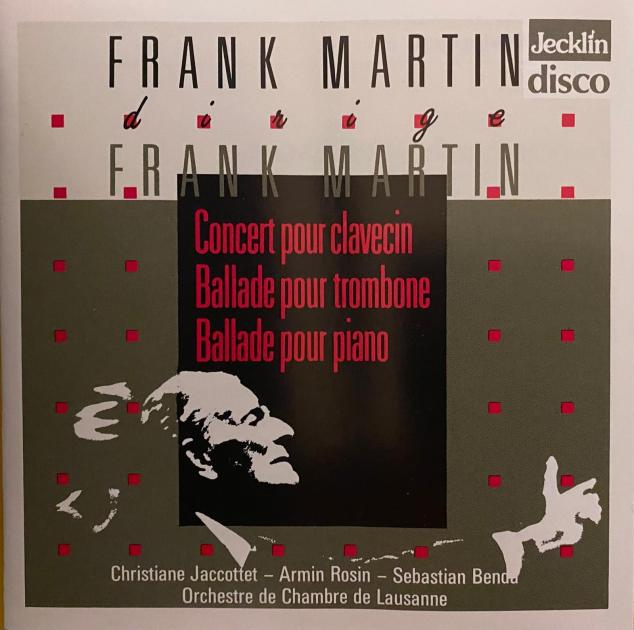
A intensa colaboração com Frank Martin, que durou até a morte do compositor em 1974, atingiu o seu ponto culminante com a gravação completa das obras de Martin para piano solo e, sob a regência do compositor, de sua Balada para Piano e Orquestra, a qual executou inúmeras vezes em sua carreira. Mais tarde, em parceria com Paul Badura-Skoda, gravou a obra de Martin para piano e orquestra. Numa das múltiplas conferências musicais realizadas em diversos países, referindo-se ao seu contato com o compositor, disse: “Frank Martin foi para mim não somente o compositor incomparável cujas obras sensibilizam, por sua emoção, os mais diversos públicos de diferentes continentes, mas também o mestre, o professor, o conselheiro, o amigo e, enfim, o regente de cujas obras tive a honra de colaborar.”
Imagem

Sob a batuta de Frank Martin durante a gravação da Ballade
Imagem
Imagem
Imagem

Imagem
Durante os anos de permanência no Brasil, teve uma intensa atividade artística no país, participando de séries de concertos, cursos, conjuntos de música de câmara e projetos para o desenvolvimento da vida cultural brasileira, e colaborando também com diversas faculdades de música, o que levou o governo brasileiro a conferir-lhe a “Medalha Villa-Lobos”.
Imagem

Com seus alunos, incluindo sua futura esposa, Luzia do Eirado Dias, à frente, à direita
Imagem

Imagem

Imagem
Em 1981, Sebastian Benda retornou à Europa com sua família, após ser nomeado professor na Escola Superior de Música e Artes Cênicas de Graz, Áustria, onde atuou como pedagogo e reitor até 1994. Nesta fase de sua vida, a pedagogia pianística tornou-se um dos centros de suas atividades, ministrando cursos de interpretação também em diversas universidades de música, como as de Paris, Colônia, Basileia, Londres e Tóquio. Seus concertos comentados e palestras sobre interpretação musical, assim como seus cursos de piano e música de câmara marcaram gerações de jovens músicos.
Imagem

Imagem

Recital durante masterclasses na Musashino Academia Musicae, Tóquio, 1994
Imagem
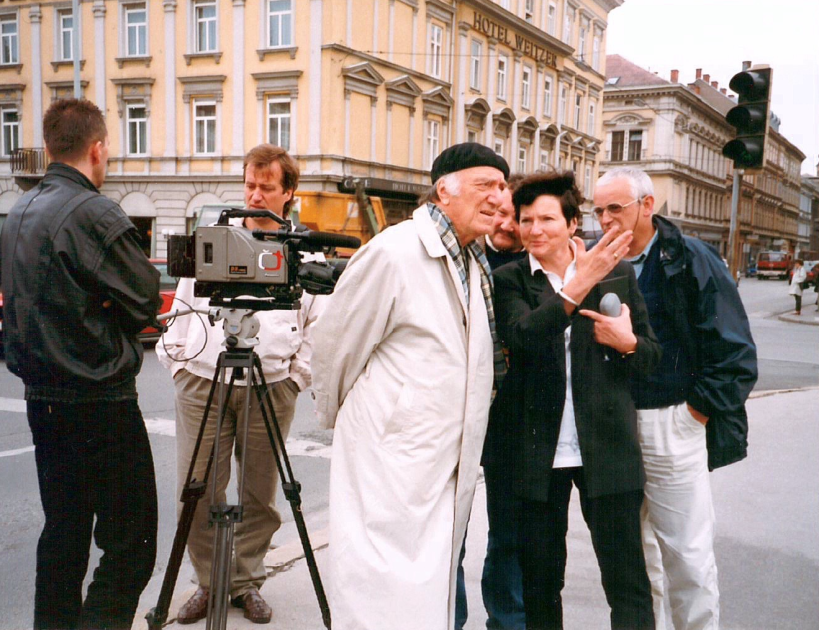
Durante a filmagem de seu documentário biográfico para a TV Tcheca
Até os últimos momentos de sua vida, em fevereiro de 2003, Sebastian Benda dedicou-se plenamente à música, compondo cadências, realizando transcrições, elaborando arranjos, revisando obras principalmente do século XVIII e realizando gravações com seus filhos e amigos.
Imagem

Com Paul Badura-Skoda gravando as obras de Martin para piano e orquestra
Imagem
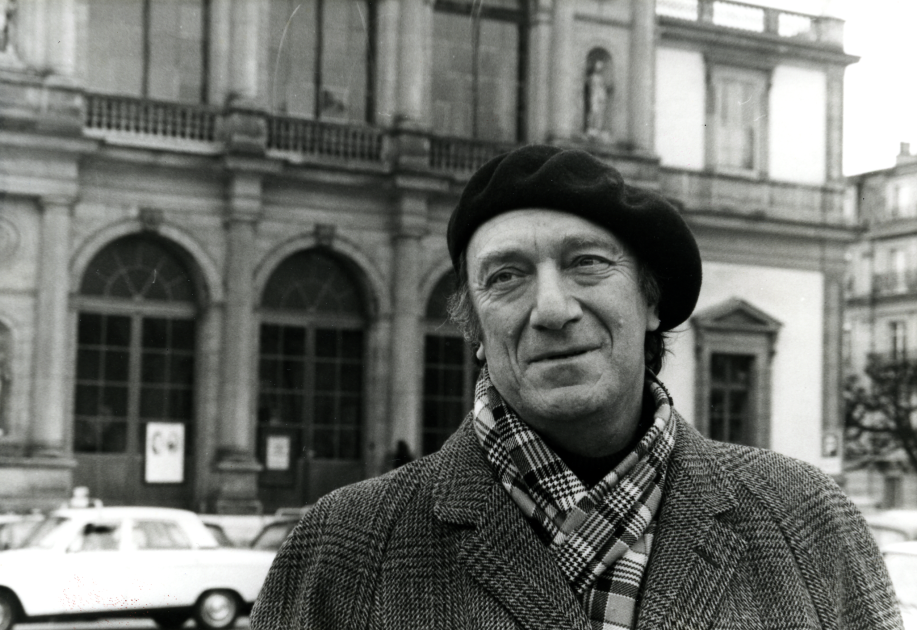
Visitando o Conservatório de Genebra, onde estudou décadas antes
Sebastian Benda era uma personalidade carismática e um humanista profundo. Schumanniano, seu toque, como seu caráter eram, de um lado, de grande poesia e simplicidade, e do outro, de intensa energia e vigor. No palco, ele exercia um magnetismo forte sobre o público, sendo um músico de grande profundidade, em cuja arte o superficial e o supérfluo não tinham espaço.
Imagem

Sebastian Benda